Antinol® Latest Studies
Sorted by recent
 Filter Studies by Smart Tags
Bone & JointCardiovascularCase Study & ProceedingCatDogEAB 277™EfficacyExotic PetImmunologyNeuro & BehaviorOphthalmologyOralRabbitRenalRespiratoryRodentSafetySkinUTI
Smart Search
Effectiveness of Disease Modifying Osteoarthritis Agents and Carprofen for Treatment of Canine Osteoarthritis

A prospective, randomized, single-blinded study was conducted to evaluate and compare the effectiveness of disease modifying osteoarthritis agents (DMOAAs) and carprofen by using force plate gait analysis and orthopaedic assessment score (OAS) in osteoarthritic dogs.
Forty dogs with hip and/or stifle osteoarthritis (OA) were assigned randomly into four treatment groups:
PCSO-524, treated with a marine-based fatty-acid compound; GC-ASU, treated with a combination of glucosamine-chondroitin sulphate and avocado/soybean unsaponifiables; CPF, treated with carprofen; and CPF-PCSO, treated with a combination of carprofen and PCSO-524. Each group received the therapeutic agent orally for four weeks.
Peak vertical force (PVF), OAS, haematology and blood chemistry values were evaluated before treatment, and on the second and fourth weeks post-treatment.
No significant effect was found in the PVF, OAS and blood values among the four treatment groups.

Effect of PCSO-524 on OA Biomarkers and Weight Bearing Properties in Canine Shoulder and Coxofemeral Osteoarthritis
This trial included 66 mixed breed dogs with x-ray confirmed OA split into two treatment groups for 24 weeks. These were 1) PCSO-524 (5 mg/kg) and 2) fish oil (2,000 mg/d). The dogs were all placed on a standardised diet to minimise variability.
The results suggest that PCSO-524 is protective against cartilage breakdown in dogs with osteoarthritis.
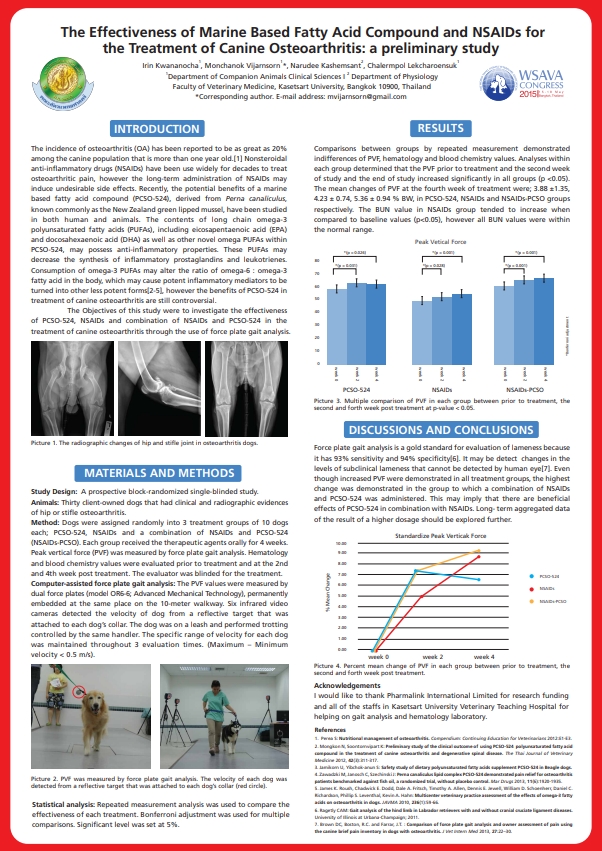
The Effectiveness of Marine Based Fatty Acid Compound and NSAIDs for the Treatment of Canine Osteoarthritis: a preliminary study
The Objectives of this study were to investigate the effectiveness of PCSO-524, NSAIDs and combination of NSAIDs and PCSO-524 in the treatment of canine osteoarthritis through the use of force plate gait analysis.
Study Design: A prospective block-randomized single-blinded study.
Animals: Thirty client-owned dogs that had clinical and radiographic evidences of hip or stifle osteoarthritis.


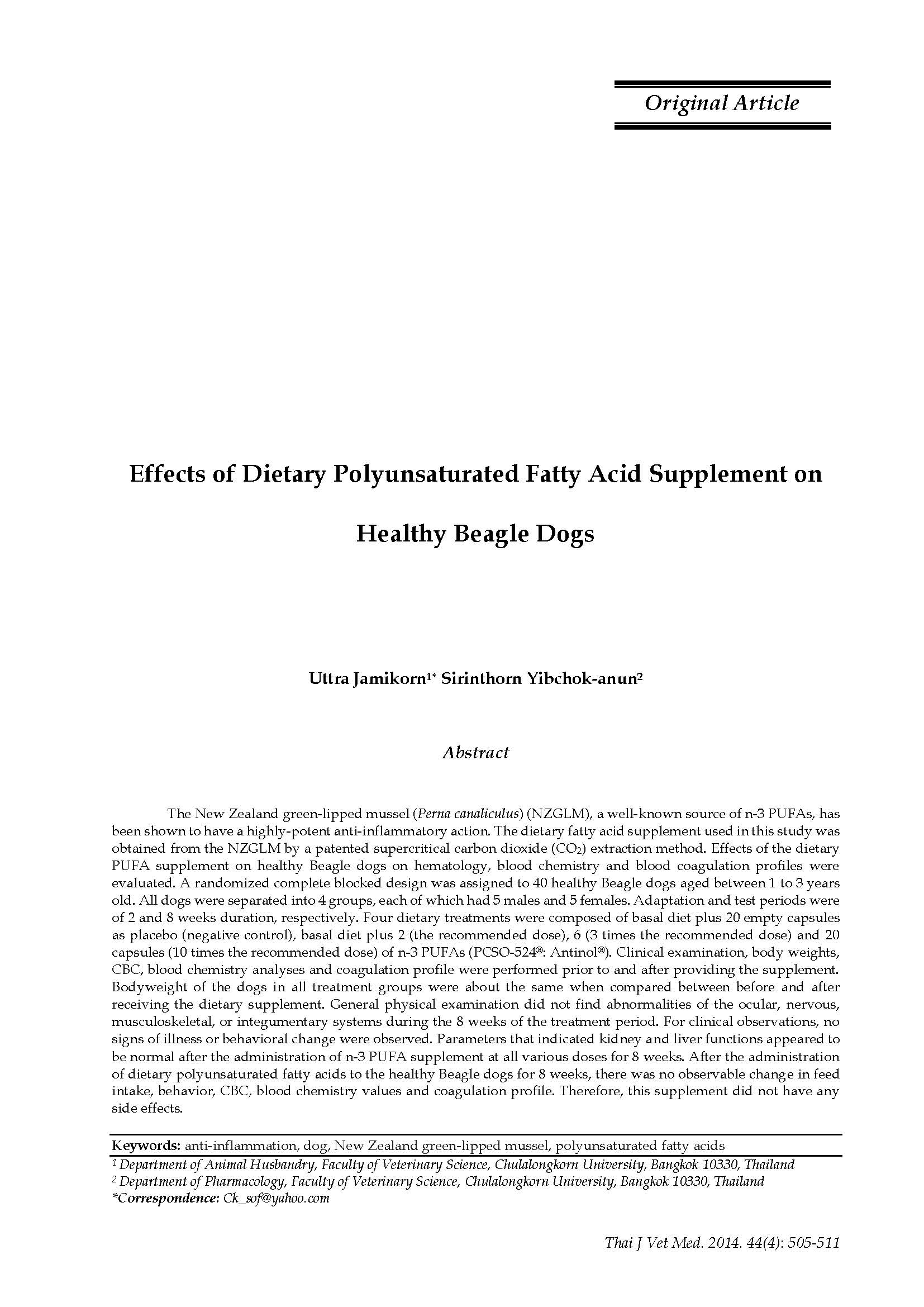
Effects of Dietary Polyunsaturated Fatty Acid Supplement on Healthy Beagle Dogs
 Authors:
A randomized complete blocked design was assigned to 40 healthy Beagle dogs aged between 1 to 3 years old. All dogs were separated into 4 groups, each of which had 5 males and 5 females.
Adaptation and test periods were of 2 and 8 weeks duration, respectively.
Four dietary treatments were composed of basal diet plus 20 empty capsules as placebo (negative control), basal diet plus 2 (the recommended dose), 6 (3 times the recommended dose) and 20 capsules (10 times the recommended dose) of n-3 PUFAs (PCSO-524®: Antinol®).
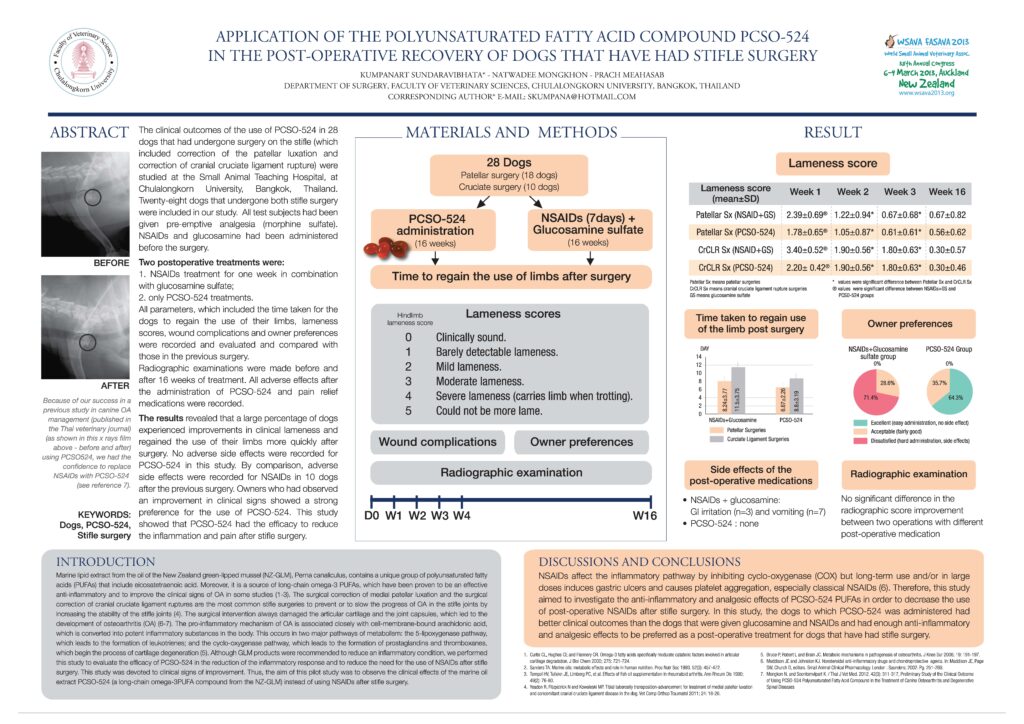
Application of the Polyunsaturated fatty acid compound PCSO-524 in the post operative recovery of dogs that have had stifle surgery
World Small Animal Veterinary Assoc.
38th Annual Congress 6-9 March 2013, Auckland, New Zealand
The clinical outcomes of the use of PCSO-524 in 28 dogs that had undergone surgery on the stifle (which included correction of the patellar luxation and correction of cranial cruciate ligament rupture) were studied at the Small Animal Teaching Hospital, at Chulalongkorn University, Bangkok, Thailand.
Twenty-eight dogs that undergone both stifle surgery were included in our study. All test subjects had been given pre-emptive analgesia (morphine sulfate). NSAIDs and glucosamine had been administered before the surgery.
Two postoperative treatments were:
- NSAIDs treatment for one week in combination with glucosamine sulfate;
- only PCSO-524 treatments.

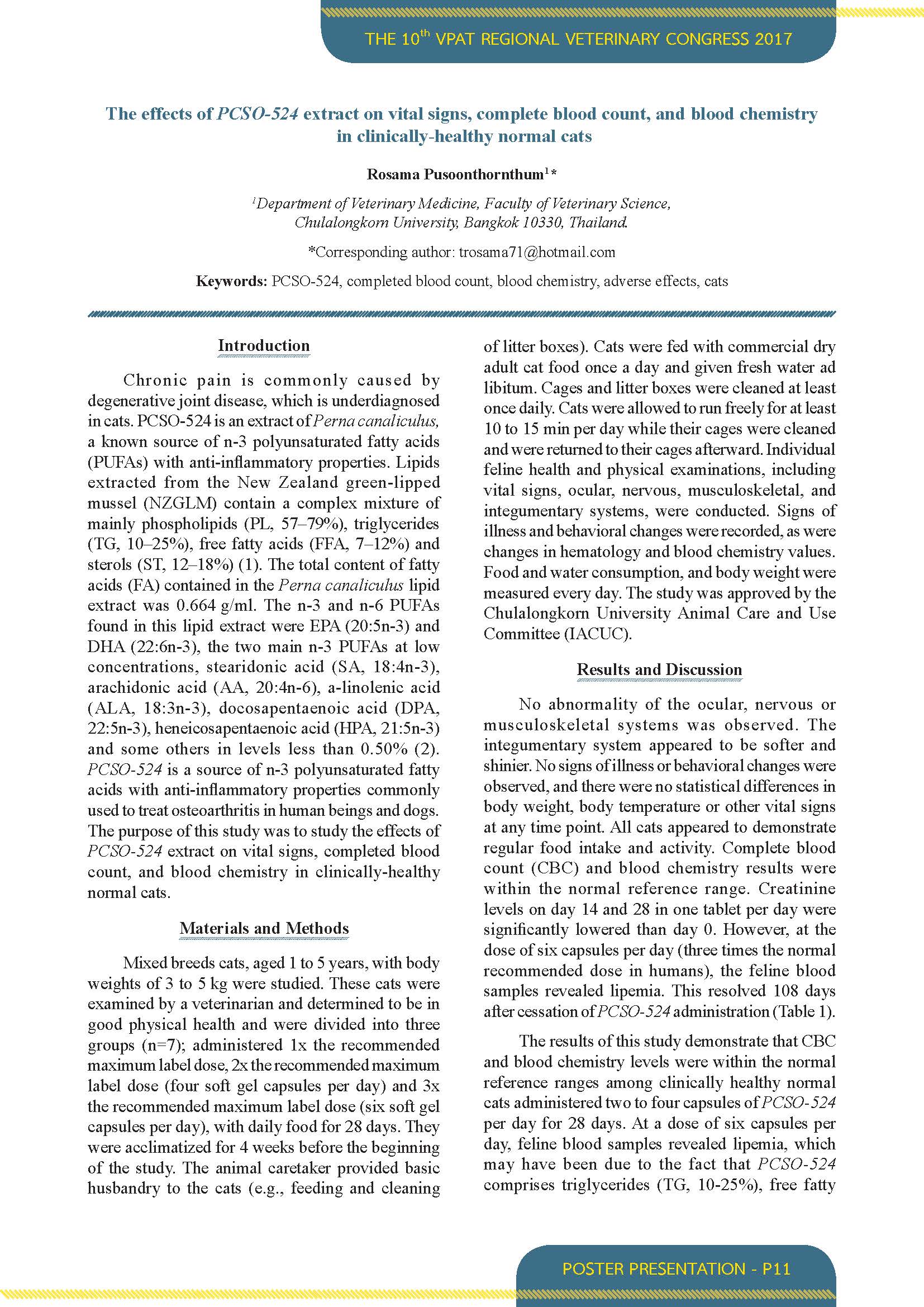
The Effects of PCSO-524 Extract on Vital Signs, Complete Blood Count, and Blood Chemistry in Clinically-Healthy Normal Cats
Authors:
Chronic pain is commonly caused by degenerative disease, which is under diagnosed in cats.
PCSO-524 is an extract of Perna canaliculus, a known source of Omega-3 polyunsaturated fatty acids (PUFAs) with anti-inflammatory properties. Lipids extracted from the New Zealand green-lipped mussel (NZGLM) contain a complex mixture of mainly phospholipids (PL, 57-79%), triglycerides (TG, 10-25%), free fatty acids (FFA, 7-12%) and sterols (ST, 12-18%)
PCSO-524 is a source of omega-3 polyunsaturated fatty acids with anti-inflammatory properties commonly used to treat osteoarthritis in human beings and dogs.
The purpose of this study was to study the effects of PCSO-524 extract on vital signs, completed blood count, and blood chemistry in clinically-healthy normal cats.

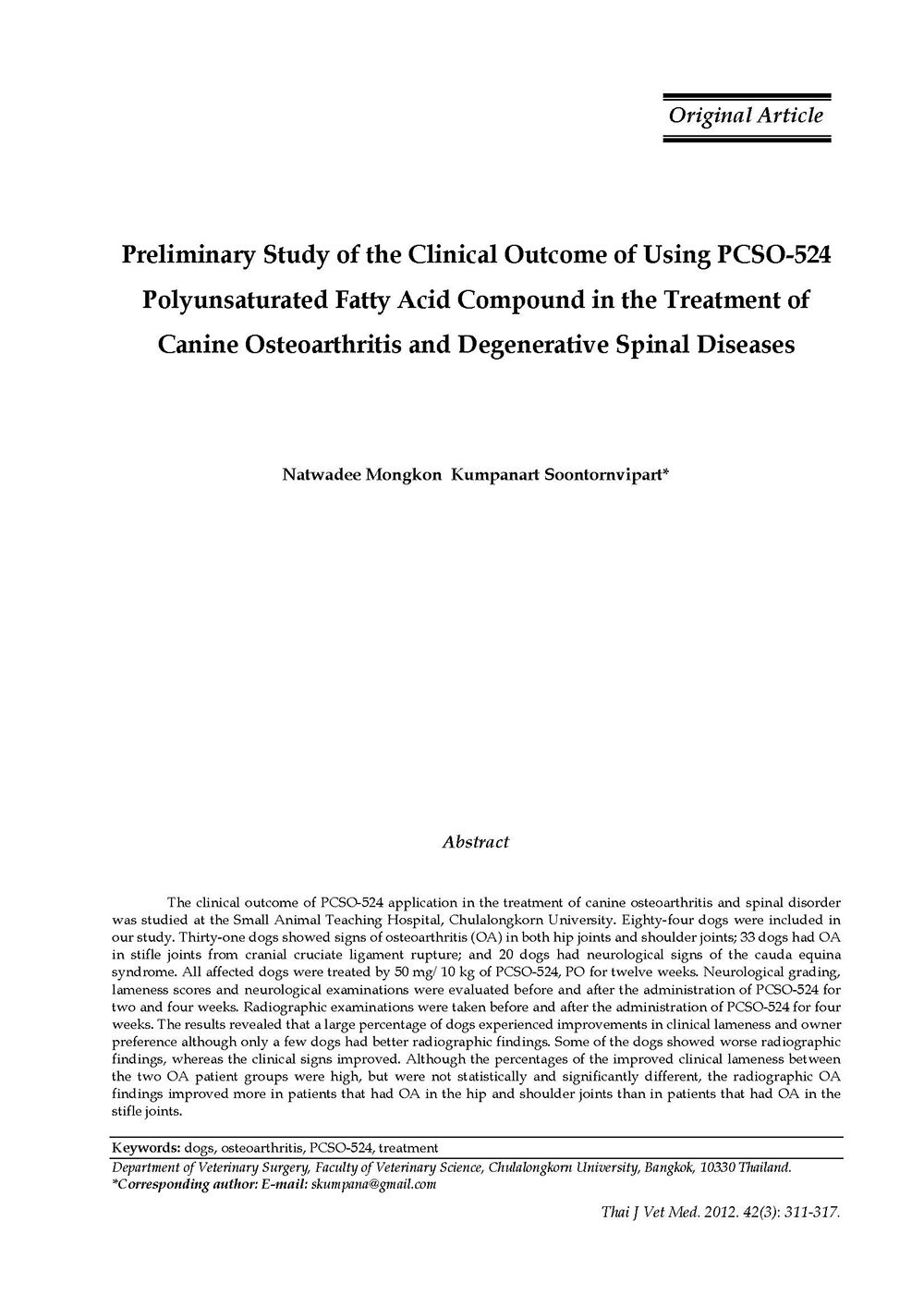
The Preliminary study of the Clinical outcome of using the PCSO-524 polyunsaturated fatty acid compound (Antinol) in the treatment of Canine Osteoarthritis and degenerative spinal diseases
Authors:
The clinical outcome of PCSO-524 application in the treatment of canine osteoarthritis and spinal disorder was studied at the Small Animal Teaching Hospital, Chulalongkorn University.
Eighty-four dogs were included in our study. Thirty-one dogs showed signs of osteoarthritis (OA) in both hip joints and shoulder joints; 33 dogs had OA in stifle joints from cranial cruciate ligament rupture; and 20 dogs had neurological signs of the cauda equina syndrome.
All affected dogs were treated by 50 mg/ 10 kg of PCSO-524, PO for twelve weeks.
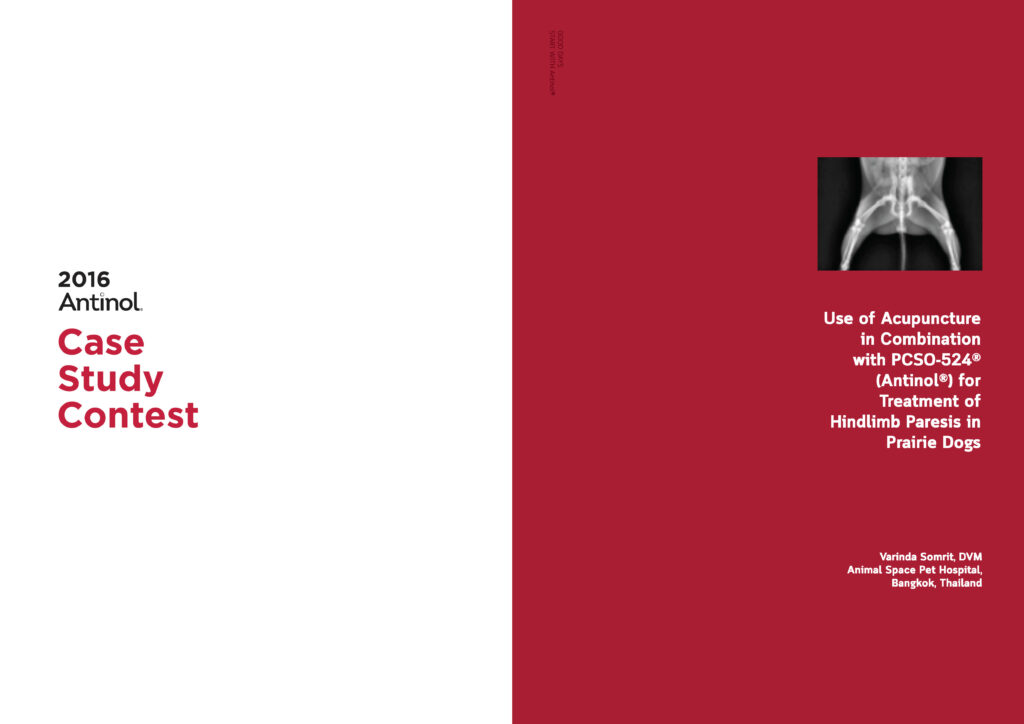
Use of Acupuncture in Combination with PCSO-524® (Antinol®) for Treatment of Hindlimb Paresis in Prairie Dogs
Authors:
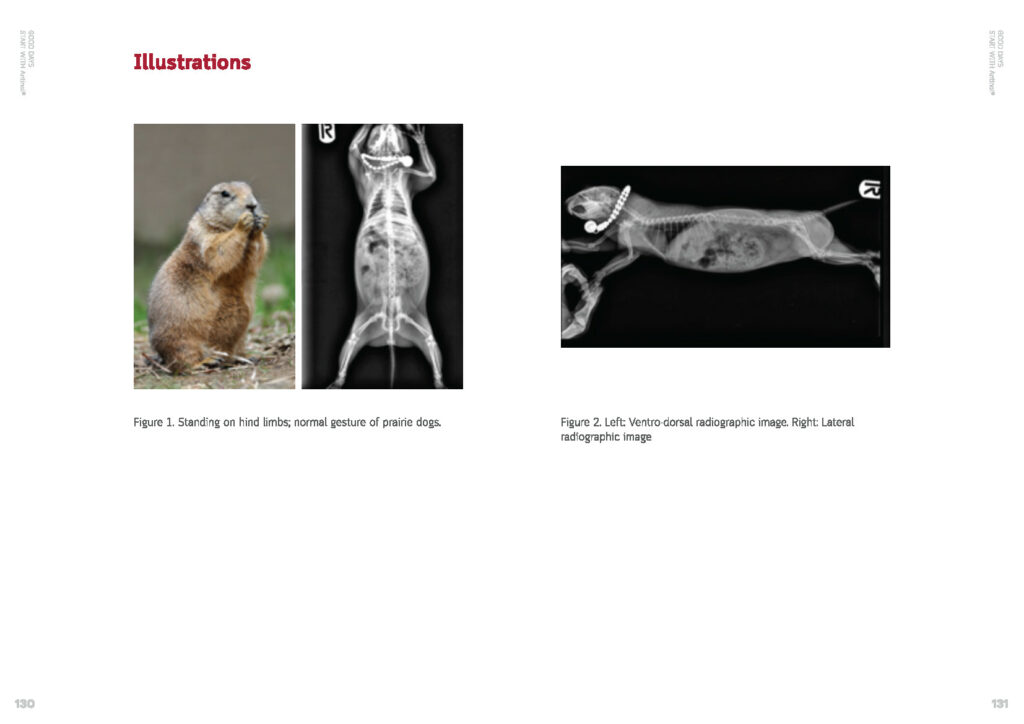
A prairie dog was admitted to the hospital due to falling from a height accident.
During 2 weeks of admission, the animal was treated with steroid and vitamin B, however, no response was observed.
Alternative medicine; acupuncture, was then applied in combination with PCSO-524® (Antinol®) to enhance the effects of acupuncture on pain relief and repairing the damaged neurons.
Excellent recovery was observed after 1 month of the treatment.
The animal could stand in normal position, express other normal gestures, and the reflex was nearly fully recovered.
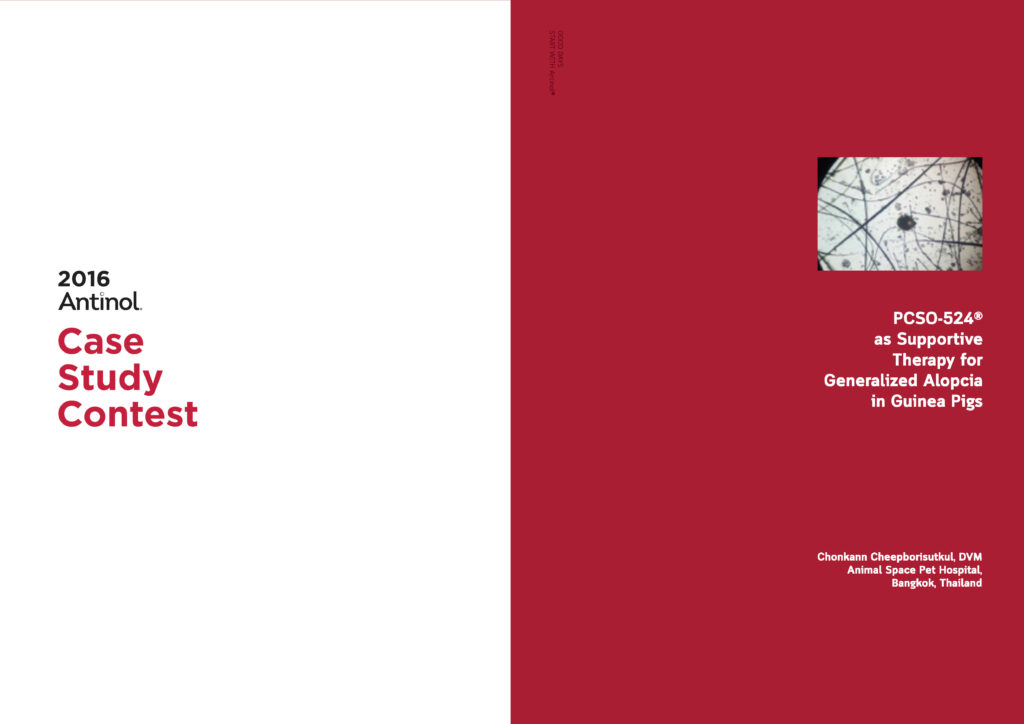
PCSO-524® as Supportive Therapy for Generalized Alopcia in Guinea Pigs
Authors:
Skin diseases are common in guinea pigs. Most frequently identified cause is improper management, for example, high humidity, unhygienic environment, nutrient deficiency, and high density, which may result in skin irritation leading to complications and alopecia. Hair growth mechanism in guinea pigs is affected by several factors such as photoperiod, environmental temperature, nutrition, physical health, stress, genetics, and some other internal factors.
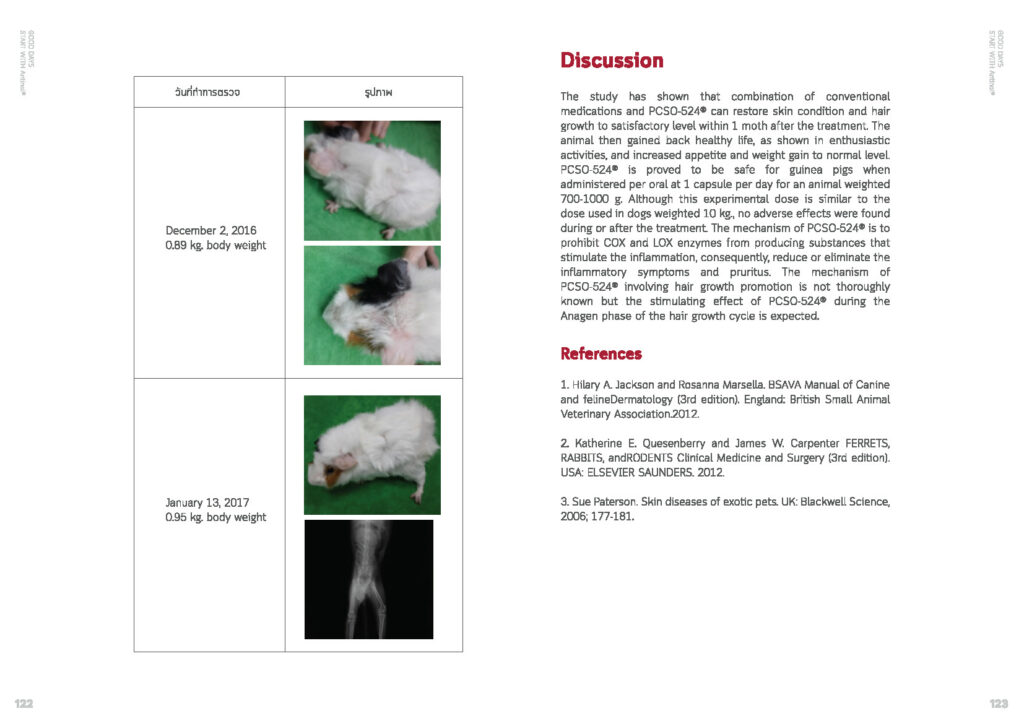
The aim of using PCSO-524® for supportive therapy of general alopecia is to reduce the skin irritation and to improve the skin and hair condition.
Previous pilot studies showed that the treatment is effective for hair growth and improvement of hair condition in various exotic pets. Therefore the objective of this study is to study the efficacy of PCSO-524® for treatment of general alopecia and skin irritation due to scabies mite infestation and fungal infection in guinea pigs.
The ultimate goal is to find alternative treatment to other anti-inflammatory medications and to reduce the quantity and frequency of medication use in guinea pigs, the species that is known to be difficult for medication administration.
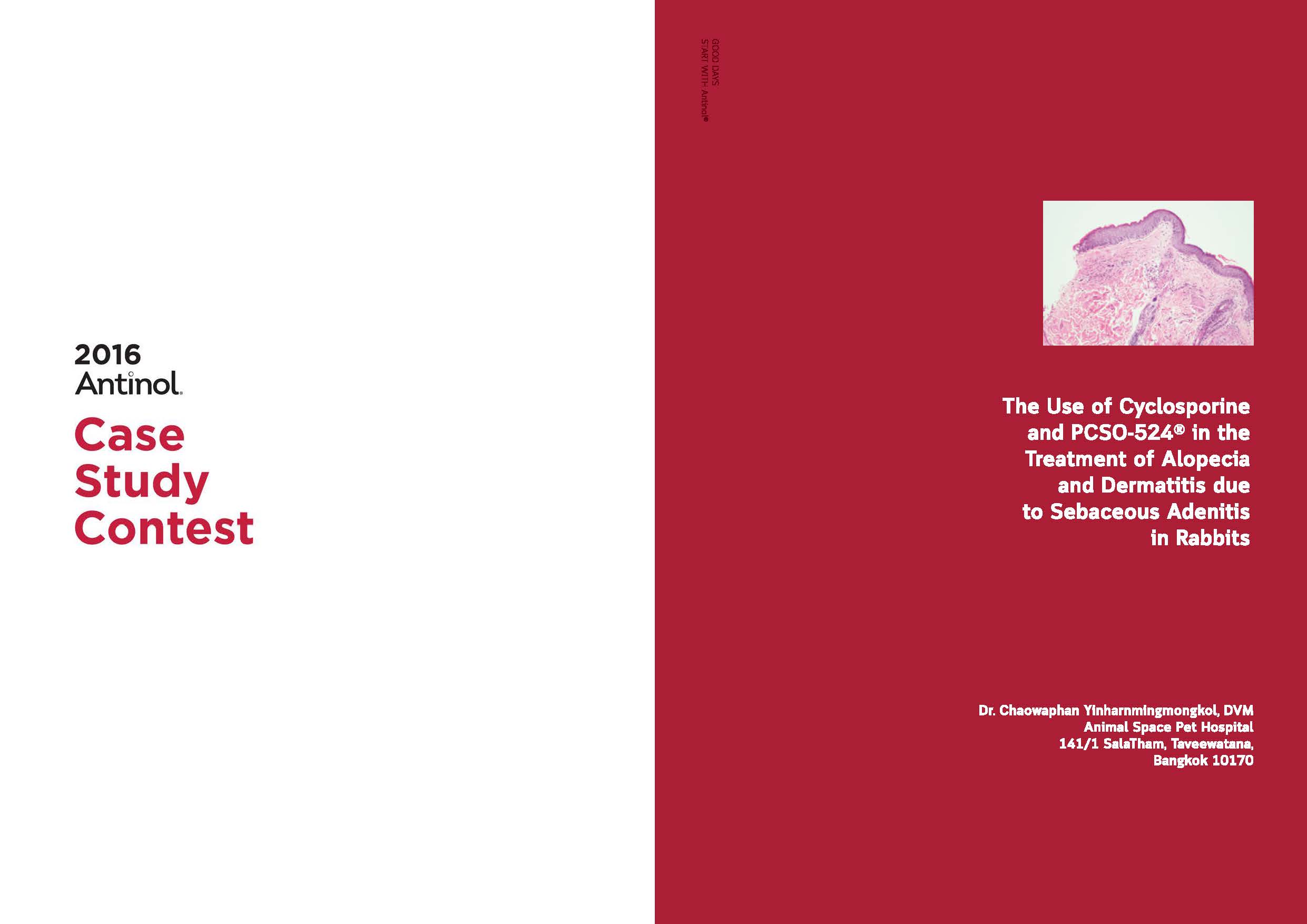
The Use of Cyclosporine and PCSO-524® in the Treatment of Alopecia and Dermatitis due to Sebaceous Adenitis in Rabbits
Authors:
Female Holland Lop rabbit aged 9 years and 6 months was taken to the hospital for treatment of dermatitis.
Clinical signs included alopecia with unknown cause, dry and course hair, scaling, dry and cracked skin.
The laboratory examination consisted of superficial skin scraping, cellophane tape technique and dermatophyte test kit examination.
External parasites, yeast, and fungi were not found. However, skin biopsy identified hyperkeratosis, follicular dystrophy, and decreased number of sebaceous gland.
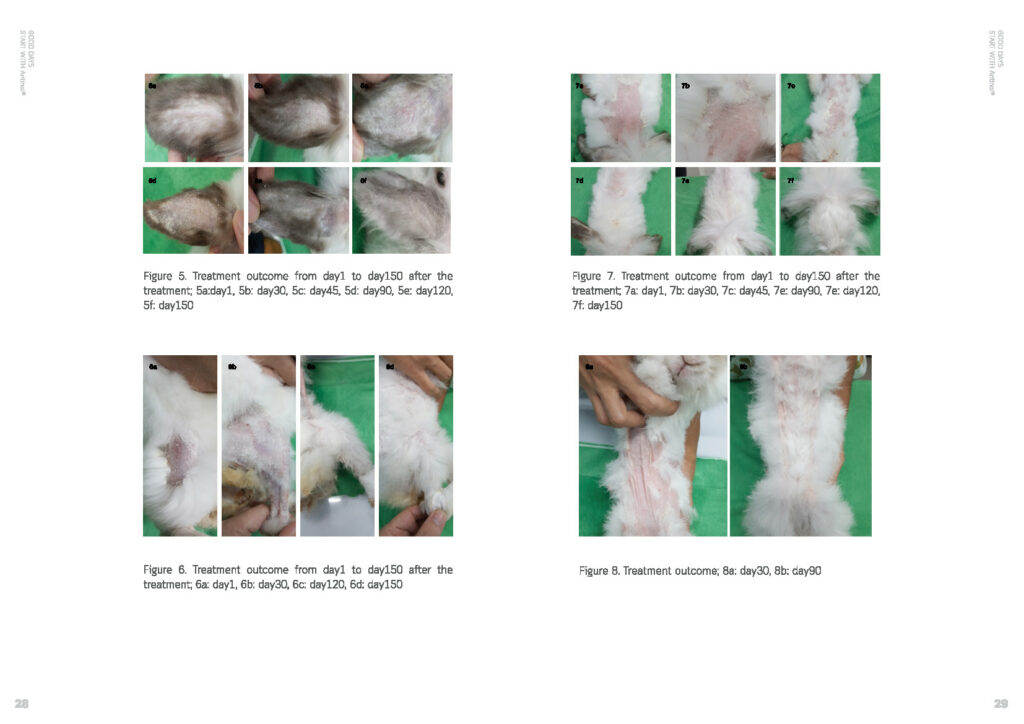
After sebaceous adenitis was diagnosed, the rabbit was treated with 5mg/kg cyclosporine sid and 1 capsule of PCS0-524® sid for more than 6 months in order to reduce the skin inflammation and hairrestoration.
No adverse effects were found and the hair loss was replaced by new hair growth, softer hair and less scaling was observed.
Updated Study Topics
New researches and publications related to PCSO-524® and its result in clnical test submitted by veterinarians on the global conferences every year and the data keeps growing with more studies conducted